
Despite its setbacks, learning art is a lot easier to do nowadays as the fundamentals have been well researched and tackled on by professional art teachers such as the people I will be mentioning in this article. Please note that this article is meant to be a resource guide to get started on your drawing journey. Don’t try to finish every single object mentioned here at once as a lot of them could be content heavy.
Anatomy

If you want to delve into art, you probably must be wondering how to draw people. With that, you can start with anatomy.
When it comes to anatomy, you must understand the rules of the human body before breaking them. The best person to get you started is Proko. It is both a website and popular youtube channel run by an artist named Stan Propenko. To get started, I recommend his Anatomy for the Human Body playlist that is free on Youtube!
If you want to learn anatomy from a coloring perspective, Sinix Design offers up to thirty-minute videos covering how to draw and color the right proportions of a body part, as well as art related tips such as how light travels through the skin.
The most useful graphs to keep in mind to base your anatomy off is using Loomis method, which explores the typical depiction of a head in 3D that can be more easily broken down than a skill.
Another graph to reference off would be the Asaro head, which has more details but is great to keep in mind the planes of the face.
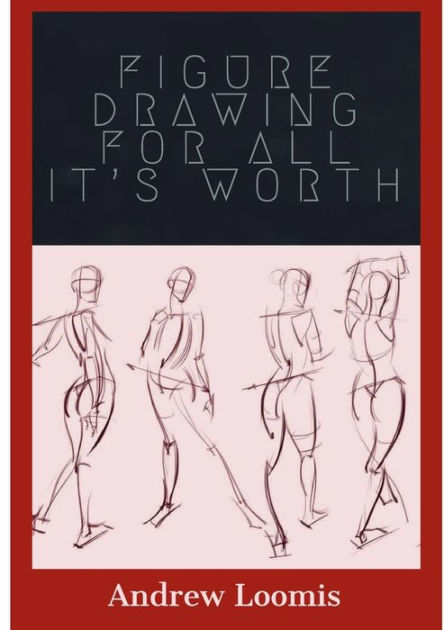
If you want to hit the books when it comes to anatomy, I highly recommend Andrew Loomis’ Figure Drawing for all it’s worth which is authored by the man who invented the Loomis method for artists.
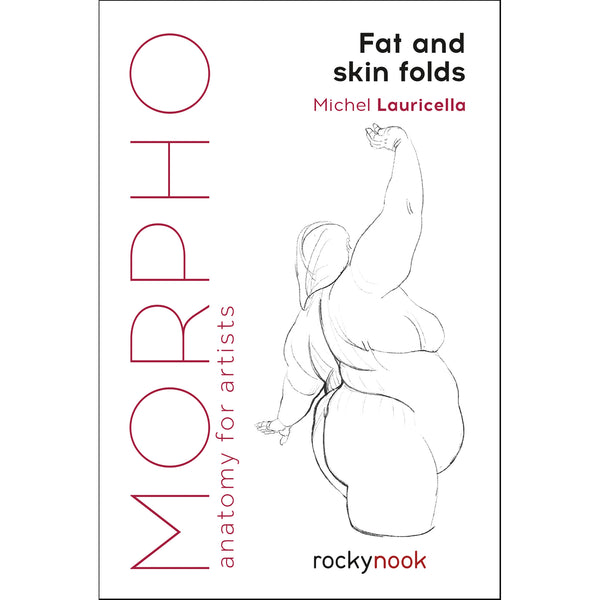
There is also Michel Lauricella’s Morpho series which has simple guides for anatomy, including a book that delves into drawing people with thicker body types.
Just note that the books can be pricey ranging from 700 pesos and above as art books tend to be expensive.
Remember that every human body is unique so the references above could have faults when it comes to certain body types. However, it’s still important to know the differences before jumping straight into figuring things out on your own.
Colors
When it comes to colors, I find that the best way to get yourself to practice is by using traditional paints. Having paint of only the primaries plus black and white challenges you to work in a limited range of colors and mix them to get an appealing looking result. If you’re studying colors on a budget, cheap paints from a small tube suffices just nicely.
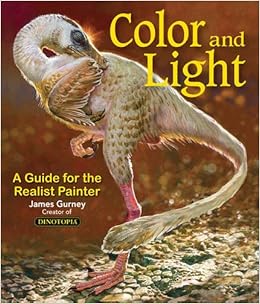
For this, I recommend the book Color and Light by James Gurney. He is an artist known for creating illustrated books such as Dinotopia. It is a large, in depth book on how to color an environment, how to depict certain types of light and how to handle paints in general.
Another resource I recommend is the channel of Marco Bucci who has all kinds of videos that tackle colors and painting. The section which improved my colors a lot is his Colour Notes lesson, which is a part of his series, 10 Minutes to a better Painting. It shows that color can be affected by many things such as the main light source such as the sun all the way to its surroundings which gives off reflected colored light that makes the colors change hue depending on what area it’s in.
Backgrounds
Backgrounds are the easiest to find references from if you know where to look. Photography and drawing from life are most recommended. However, it’s still quite complicated to execute. This is why I recommend learning backgrounds from fundamentals such as composition and perspective.
One free resource I can think of is BaM Animation’s Tips for Drawing Backgrounds. It is a video that delves into how to frame a background based on the design you have in mind for it through interesting compositions.
When drawing backgrounds, you’re going to encounter a lot of building structures. Stephen Travers is an artist that makes videos about life drawing but most specifically, structures. If you are struggling with perspective, he’s great at simplifying everything for people to digest easily.
With that, these are the art resources that have personally helped me with my creative journey, and I hope that it could be a starting point for you too. Choose your teachers wisely, take criticism but also be kind ro yourself and trust your gut every once in a while. Everyone’s art journey is different so don’t be hard on yourself if you can’t follow these resources perfectly.